EBRD- Tajikistan - Kulob Water Supply
Feasibility Study Update
Direct support to EBRD in the appraisal of Phase II of ongoing water supply and wastewater invesment for Kulob Vodokanal (approx. 112,900 inhabitants), Tajikistan, complementing the Phase I Kulob Water and Wastewater Project.
The Kulob Water Project – Phase II is a proposed EBRD financing for the benefit of the Subsidiary Enterprise of Water Supply and Sanitation of Kulob City (SUE WSS Kulob / “Vodokanal”), a subsidiary of SUE “Khojagii Manziliyu Kommunali” (SUE KMK, the Client).
Phase II delivers the remaining components of the Long-Term Investment Programme (LTIP) identified in the 2014 Feasibility Study, comprising:
(i) construction and rehabilitation of water supply networks across priority mahallas and districts;
(ii) rehabilitation of internal networks within multi-storey residential buildings;
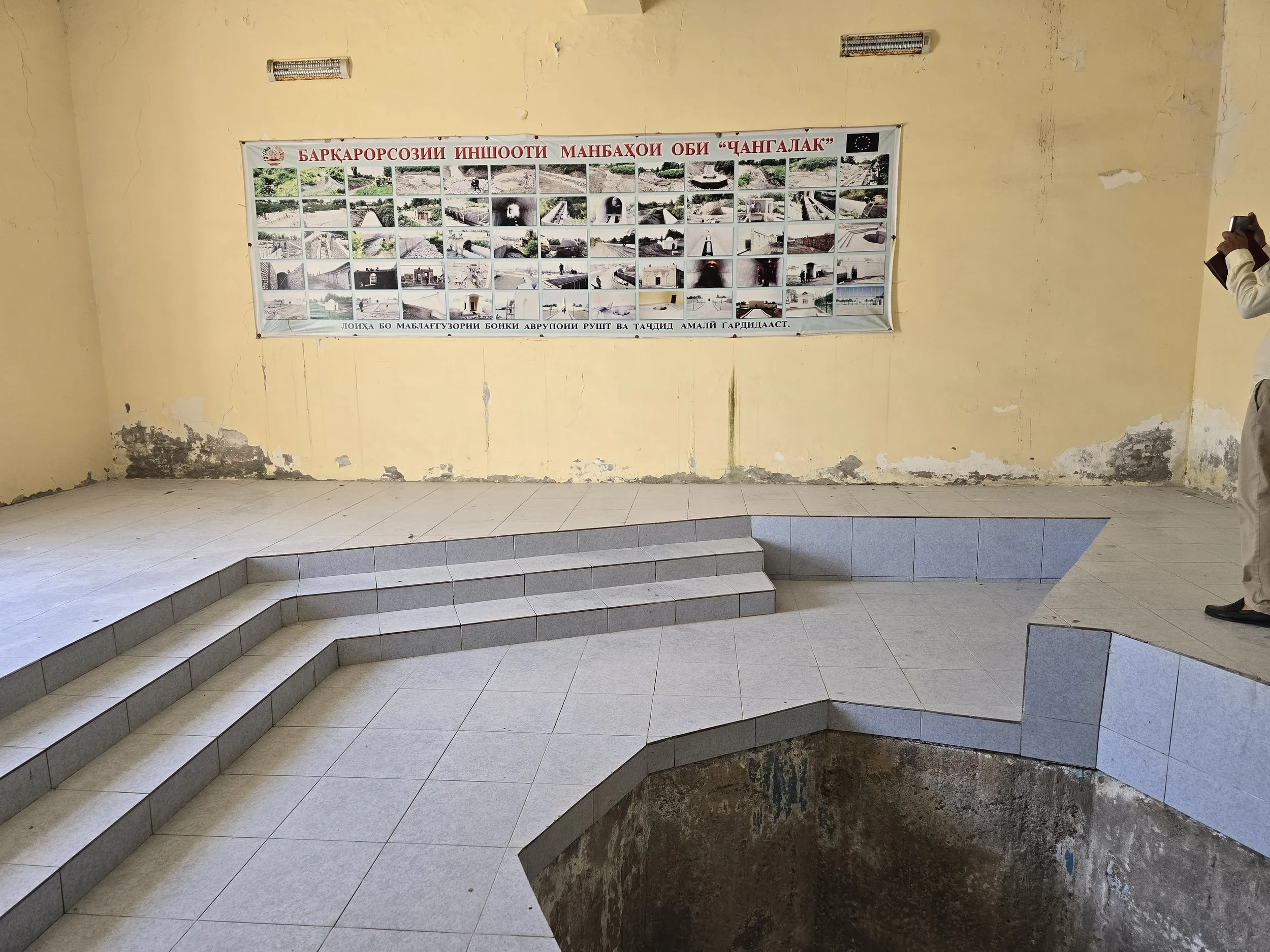
(iii) construction of four additional wells and spring-gallery intake facilities at the Jangalak water intake sites; and
(iv) procurement and installation of domestic household water meters.
Mojo Engineering Consultancy ApS was engaged by EBRD to carry out a Feasibility Assessment Update, a structured and independent reconfirmation of the Phase II investment rationale, scope, costs and implementation readiness in light of current conditions, Phase I implementation experience, CDP findings, market price movements and the evolving climate and regulatory context. The assignment is structured around seven integrated workstreams:
Project baseline and socio-economic assessment; Technical feasibility refresher (validation of Phase II infrastructure components, demand assessment and CAPEX/OPEX update); Economic, financial and affordability analysis (economic justification, financial projections, tariff and cost-recovery assessment and affordability in line with EBRD methodology); Environmental and Social Assessment (ESA/ESAP in accordance with EBRD ESP 2024); Procurement and implementation strategy (Phase I procurement lessons, PIU capacity assessment and Phase II contract packaging); Climate risk and green assessments (physical climate risk screening, snowmelt flow modelling, Paris Agreement alignment, Green Finance eligibility and GHG baseline); and Gender and economic inclusion analysis.
06/2026–07/2026